Guides
Reliable staff for a hair salon: where to look and how to choose
Hire stylists by testing them on your own service bands and roster gaps, then verify licensing and wage duties with the state board and the DOL.
What to take away
- Hire against the gap in your roster, not against a job title.
- A paid working interview on your own floor tells you more than any answer at a table.
- Chair utilization = booked service hours / available chair hours. Know the number before you add a chair.
- Pay structure decides who you can keepcommission, booth rent and hourly each attract a different stylist.
- Confirm licensing and wage duties with your state board and the U.S. Department of Labor small business guidance. Neither is a suggestion.
Start with the gap, not the title
Write down where the chair hours are going unused. Tuesday mornings empty and Saturday afternoons turning clients away are two different hires.
Chair utilization gap
- Booked service hours60%
- Unused chair hours40%
A stylist who fills Saturday is a senior colorist with a client book. A stylist who fills Tuesday morning may be an apprentice building one. The title on the ad follows from the gap, not the other way round.
Count the gap in hours before you write anything. If booked service hours are running at 60 percent of available chair hours, the missing 40 percent is your job description.
Where to look for candidates
- State board licensee lists. Most state boards publish or sell the roster of licensed cosmetologists in your state, so you can contact stylists who already hold a license.
- Local cosmetology schools. Ask the placement office which students finish their hours in the next quarter.
- Stylist groups on Facebook and Instagram. Local groups carry both salon openings and stylists posting that they are looking.
- Referral bonus from your current team. Pay it after the new hire clears the first review, not on day one.
Turn the task list into interview questions
The BLS occupational summary for barbers, hairstylists and cosmetologists lists daily work tasks. Turn each task into a question you will ask on your floor.
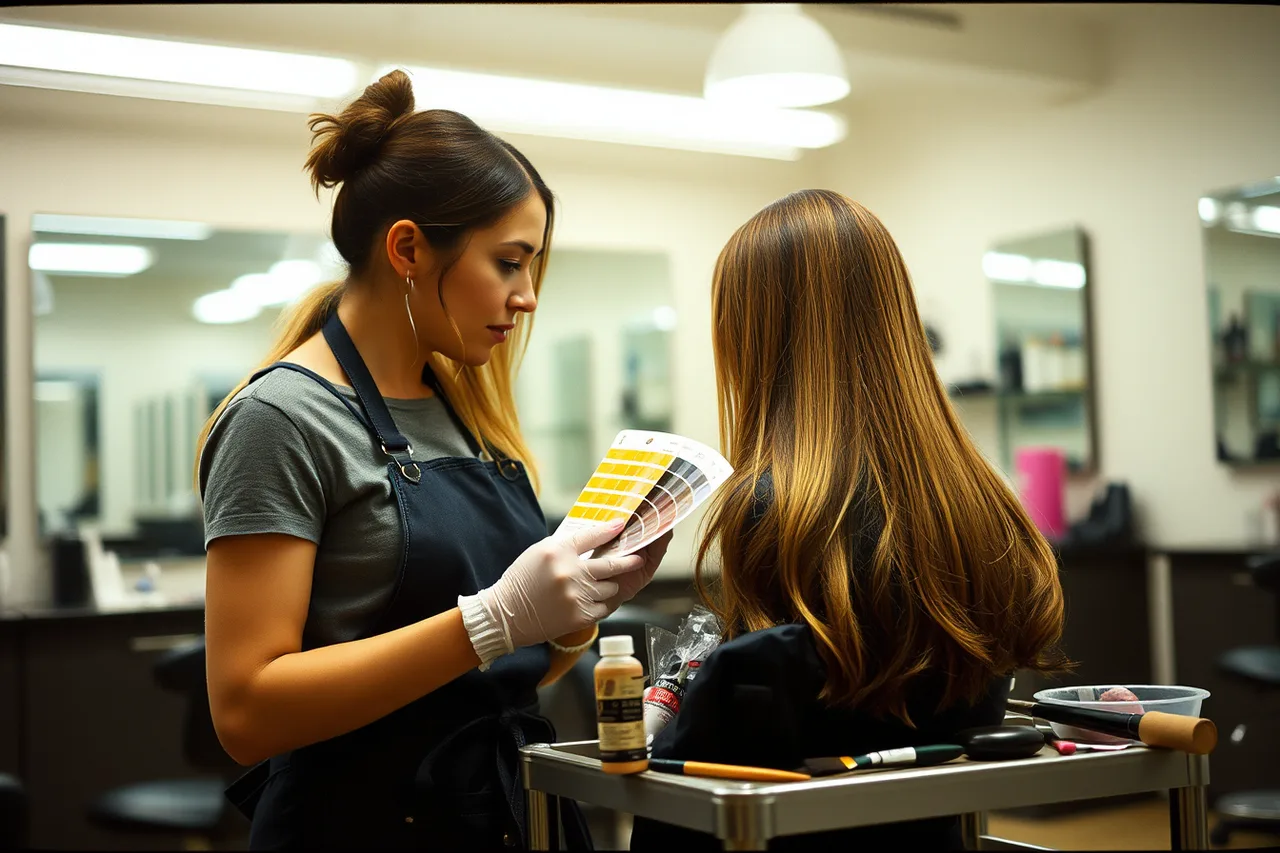
Ask a candidate to walk through a color consultation. Listen for the moment they would refuse a service the hair's history does not support. A stylist who has never turned a client away has not been tested.
Service duration bands set your chair capacity. A 45-minute cut and a three-hour color cannot share a grid, so ask how the candidate runs a column. Double-booking during processing time is where capacity is won or lost.
The working interview
Pay for it. An unpaid trial shift is a wage question, and the answer is usually that it should have been paid.
- Book the candidate into a real column with real service bands.
- Watch the consultation and the rebooking ask at the chair.
- Ask for strand testing and patch testing before a first color service.
- Time the service against your band.
- Check back-bar cost per service and retail attachment on what they used.
- Note how they hand off to the front desk.
Two hours on your floor beats four reference calls. Do both.
Pay structure decides retention
Commission, booth rent and hourly pay pull different people, and each changes how you roster.
Who it suits
- Commission
- Stylists with a client book
- Booth rent
- Established stylists who want independence
- Hourly
- Apprentices and newer stylists
Roster effect
- Commission
- They want peak hours and will resist quiet ones
- Booth rent
- You set the chair, they set the day
- Hourly
- Predictable cost, so you can schedule training blocks
Typical ranges, which vary by market and by the stylist's book:
- Commission
- typically 40 to 50 percent of service revenue.
- Booth rent
- typically $150 to $400 a week per chair in mid-size US markets, higher in large metros.
- Hourly
- typically near the state minimum wage for apprentices, plus tips.
Ask which structure the candidate has worked under and what made them leave it. Rebooking rate is the health metric for any of the three, and it follows the stylist, not the pay scheme.
Before you offer
Verify the license with your state board. Cosmetology licensing and who may perform which service are set by each state, and the requirements vary.
Then check the employment side. The EEOC small business resource center covers nondiscrimination, accommodations and recordkeeping for small employers. Ask comparable, job-related questions and score the evidence the same way for every candidate. A one-line scorecard: utilization, rebooking and retail attachment, each scored 1 to 5.
Write the first-quarter review before the start date. Name the utilization number, the rebooking rate and the retail attachment you expect, so the review is a measurement rather than a feeling.
The hiring and training guide sets out how the first year should run once the offer is signed.
Common questions
Should I hire a senior stylist or train an apprentice?
Hire senior when the gap is peak hours and the client book has to arrive with them. Train when the gap is off-peak and you can absorb the slower service bands while they build.
How do I test color skill without asking for a formulation?
Ask for the consultation, the strand test and the patch test, and for a case where they declined the service. Manufacturer instructions are the authority on the product; your interview is about judgment.
What if the candidate will not do a working interview?
Move on. A stylist unwilling to work in front of you is a stylist you are hiring on a story.
Does booth rent remove my scheduling problem?
No. It moves the problem to chair utilization: you still have to fill the room, and the renter still chooses the hours.