Guides
Hair salon equipment checklist as practitioners see it
A hair salon equipment checklist written as a commissioning list: what belongs in each zone, and the acceptance test that says the item is ready to trade on.
What to take away
- Commission each item against a test rather than ticking it off on delivery.
- Zones are listed in the order they block trading if they are not ready.
- The acceptance test is usually a rehearsal, not an inspection.
- Anything that fails its test is not on the floor when clients arrive.
A delivery note says an item arrived. A commissioning list says it works in your room, at your working heights, with your team standing at it.
Work zone by zone: run each test with someone acting as a client, at the hour the light is worst, and record pass or fail and date. A fail gets a fix and a retest.
Styling stations
- Styling chair, tested by raising and lowering with weight in it and working a full circle around it
- Station mirror and light, tested for color and detail at the working height
- Power at each station, tested with everything that will realistically run at once
- Trolley, tested by reaching every tool without stepping away from the client
- Cable management, tested by walking between stations with a full trolley
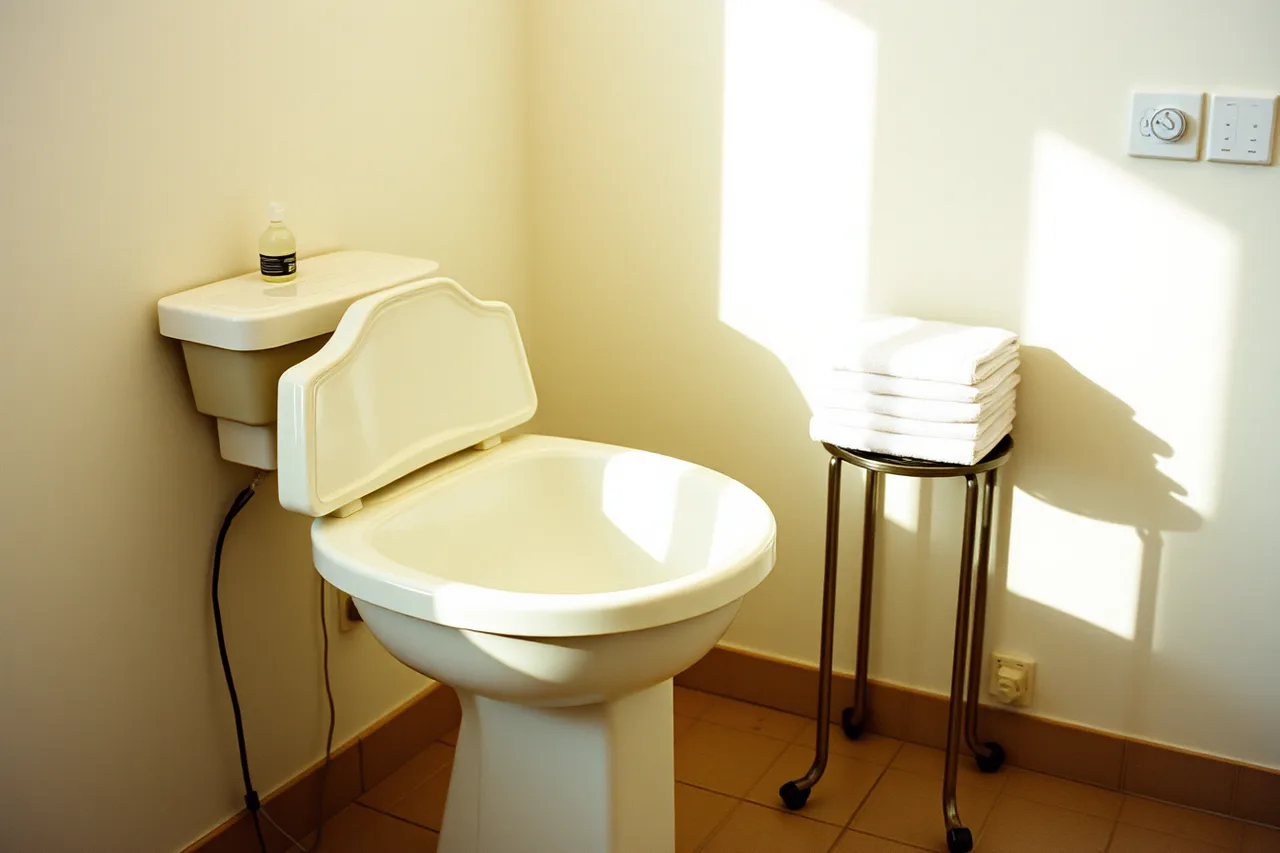
Wash area
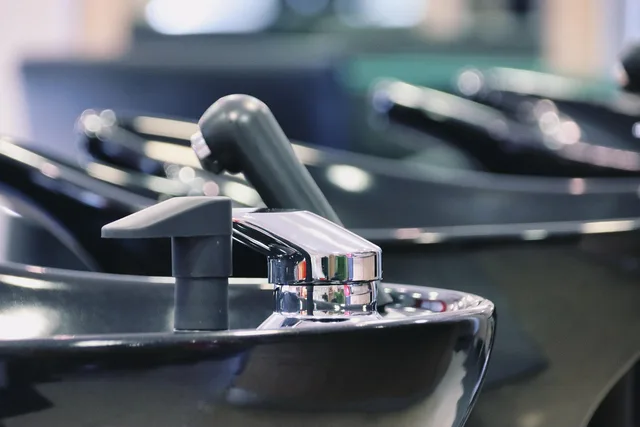
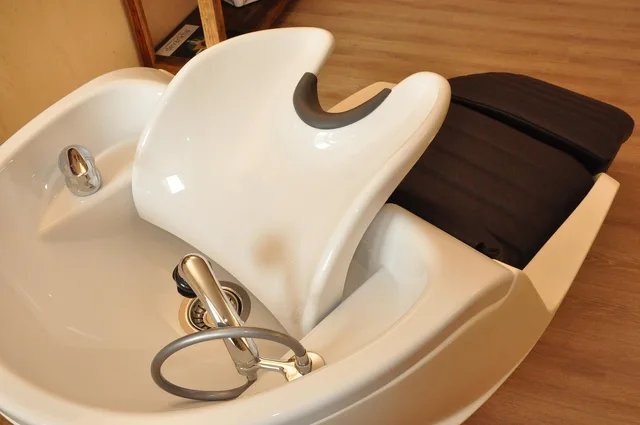
- Wash unit and bowl, tested for neck position with a tall and a short person
- Hot water at volume, tested with every bowl running at once
- Drainage, tested by observing a full cycle rather than a trickle
- Towel supply and used-towel handling, tested through a full peak hour of turnover
- Shampoo chair reclining action, tested for comfort and for exit without help
The wash area is the zone that most often caps the room, so commission it first and honestly. What it constrains is set out in the equipment and setup guide.
Processing and waiting
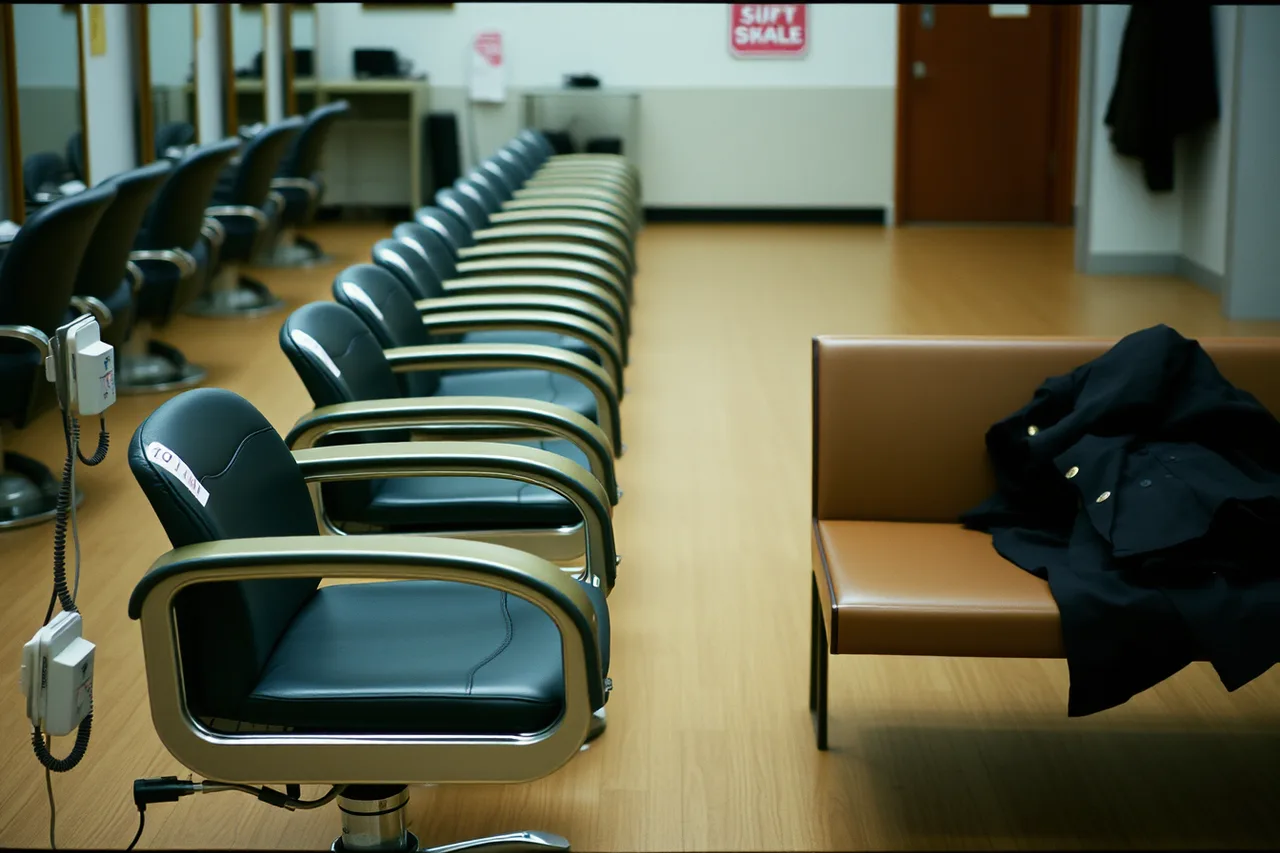
- Processing seats, counted and numbered, with the count entered into the booking rules
- Power at processing seats, tested with a device charging
- Waiting seating separate from processing seating, tested during a simulated busy arrival
- Somewhere for a client's belongings, tested with a coat and a bag
Numbering the seats sounds fussy. It is what makes overlap policy enforceable, because the count is a hard cap on overlapping services.
Dispensary and back bar
- Mixing surface and sink, tested for the actual working posture
- Ventilation, tested during real product handling rather than empty
- Back bar storage, tested by locating a product without moving three others
- Current manufacturer instructions filed for every product held
- Waste handling as the local requirement specifies, tested through a full day's volume
- Stock control method in place, so back bar and retail are counted separately
Back bar and retail must not share a shelf or a record. One is a cost of service and one is inventory, and merging them makes your service margin unknowable.
Reception and back office
- Booking system, tested by making, moving and cancelling an appointment under time pressure
- Payment acceptance, tested including a refund
- Consultation forms at the point they are needed, not in an office
- Client record storage, tested by retrieving a specific record quickly and securely
- Rebooking prompt built into checkout, since that is where rebooking happens
Sanitation and safety equipment
- Disinfection equipment appropriate to the board's requirements, with manufacturer instructions filed
- Separate storage for clean and used tools, tested by a stylist mid-service
- Cleaning schedule posted, with a log that gets completed
- First aid provision, checked and dated
- Signage and displays required on the premises, in place
- Slip and trip review of the wet area and cable routes
Sanitation standards are set by your state board and vary, so commission against your board's published criteria rather than this list. The register that tracks them is described in the licensing and compliance guide. Workplace safety obligations are separate; start with the Occupational Safety and Health Administration guidance on safety management.
The acceptance test column
Add two fields to your own copy: the test performed and the date it passed. That column is what an insurer or an inspector will want when they ask how you knew something worked.
Commission at the worst hour of the day, in the busiest configuration you expect. An item that passes at nine in the morning with one person in the room has not been tested.
Two dependencies sit outside the room. Who may use which equipment follows from the levels in the hiring and training guide.
The arrival flow that reception is tested against comes from demand you are building in the marketing and growth guide. If a second site is planned, commission to the same list so the rooms are comparable, for the reasons in the expansion and market guide.
Nothing here touches how a service is performed. Chemical services follow the manufacturer's instructions for the product in use, after a documented consultation and, before a first color service, a documented patch test. Scalp and skin conditions are a matter for a physician. The Food and Drug Administration fact sheet for salon professionals covers product responsibilities.
Common questions
What should be commissioned before anything else?
Water, drainage, power and ventilation. Everything else can be moved or replaced. These four cannot, and a failure in any of them stops trading.
Can commissioning happen after opening?
Some of it, but not the four above and not the sanitation items. A quiet first week is a fair place to test reception flow. It is not the place to discover the hot water cannot serve two bowls.
Who should perform the tests?
The people who will use the item, not the person who bought it. A stylist reaching for a tool finds problems a purchaser never will.